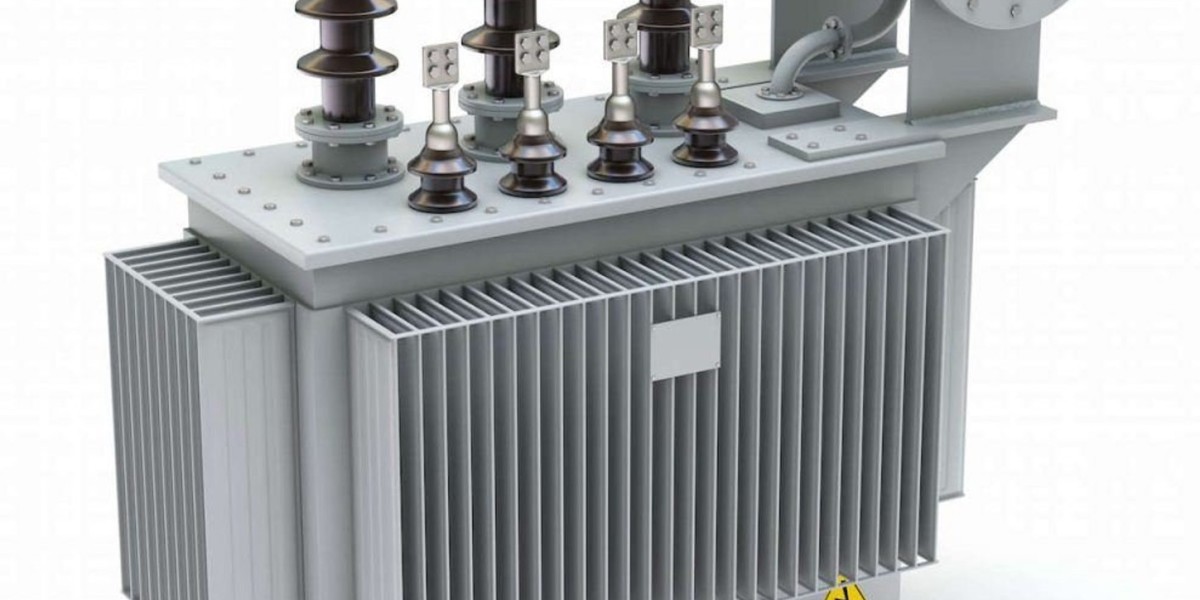

Among the different types available, the 100 kVA transformer is one of the most commonly used units in medium-scale industries and commercial facilities. It serves as a reliable link between power supply sources and machinery, ensuring safe and efficient voltage transformation for different applications.
This guide provides a simple and clear understanding of the design, function, and industrial applications of a 100 kva transformer, explaining why it is considered one of the most practical choices for many businesses.
What is a 100 kVA Transformer?
A 100 kVA transformer is an electrical device that converts voltage levels to suit different electrical equipment requirements while maintaining the same frequency. The term kVA stands for kilovolt-amperes, a unit of apparent power. The 100 kVA rating indicates that the transformer can handle 100 kilovolt-amperes of electrical load safely without overheating or performance issues.
This transformer can be designed as either a step-up transformer (to increase voltage) or a step-down transformer (to reduce voltage), depending on the need. Most industries use step-down models to reduce high-voltage electricity from the grid to lower, safer levels suitable for operating machines and equipment.
Basic Working Principle
The working principle of a 100 kVA transformer is based on electromagnetic induction. When an alternating current (AC) flows through the primary winding, it creates a magnetic field in the transformer’s core. This magnetic field induces a voltage in the secondary winding, allowing power transfer from one circuit to another without any direct electrical connection.
The transformer’s operation is highly efficient, with minimal energy loss, making it suitable for continuous industrial use.
Key Components of a 100 kVA Transformer
To understand the functionality of a 100 kVA transformer, it is important to know its main components:
Core:
Made of laminated steel sheets, the core serves as the path for magnetic flux. It minimizes energy loss through eddy currents and hysteresis.Windings:
There are two windings — the primary winding and the secondary winding. The ratio of turns between them determines whether the transformer steps up or steps down the voltage.Insulation:
Used to separate the core and windings electrically, preventing short circuits and ensuring safe operation.Transformer Oil (for oil-filled types):
Acts as a coolant and insulator, maintaining temperature and preventing moisture accumulation.Tank:
Encloses the core, windings, and oil. It also provides protection against external damage and environmental factors.Breather and Conservator:
These components regulate air exchange and oil level changes, keeping the internal environment stable.Bushings:
Insulated terminals that connect external electrical lines to the transformer’s internal windings.
Technical Specifications of a 100 kVA Transformer
While the specifications can vary depending on design and manufacturer, here are the standard parameters commonly found in a 100 kVA transformer:
Power Rating: 100 kVA
Primary Voltage: 11 kV or 6.6 kV (depending on supply)
Secondary Voltage: 433 V or 415 V
Frequency: 50 Hz
Cooling Type: Oil-cooled (ONAN) or Dry-type (Air-cooled)
Phase Type: Three-phase or Single-phase (depending on application)
Efficiency: 98% or higher
Impedance: Typically around 4–5%
These parameters ensure that the transformer performs efficiently and safely under industrial load conditions.
Types of 100 kVA Transformers
A 100 kVA transformer can be categorized based on several factors:
By Function:
Step-Up Transformer: Converts low voltage to high voltage for transmission purposes.
Step-Down Transformer: Reduces high voltage to a lower voltage suitable for machinery.
By Cooling Method:
Oil-Cooled Transformer: Uses mineral or synthetic oil for cooling and insulation.
Dry-Type Transformer: Uses air cooling; suitable for indoor or fire-sensitive areas.
By Mounting Type:
Pole-Mounted: Commonly used for outdoor rural or industrial power distribution.
Ground-Mounted: Installed inside industrial premises for easy maintenance.
Applications of a 100 kVA Transformer in Industry
The 100 kVA transformer is widely used across various sectors due to its ability to handle medium electrical loads. Here are some of its most common applications:
1. Manufacturing Units
Manufacturing facilities use heavy machinery such as motors, conveyors, and pumps that require stable power. The transformer ensures these machines operate efficiently without voltage fluctuations.
2. Commercial Buildings
Large commercial buildings, malls, and hospitals rely on 100 kVA transformers to maintain consistent electricity supply for lighting, elevators, and HVAC systems.
3. Construction Sites
At temporary construction sites, a 100 kVA transformer helps supply power to welding machines, compressors, and other electrical equipment.
4. Small to Medium Industries
Textile units, food processing plants, and chemical factories often use this transformer for power distribution to different sections of their operations.
5. Educational and Institutional Campuses
Universities and research institutions use these transformers to distribute electricity safely across multiple buildings and laboratories.
6. Renewable Energy Systems
They are also used in solar and wind power installations to adjust voltage levels for grid integration or on-site power utilization.
7. Agricultural Applications
In rural areas, 100 kVA transformers are installed to operate irrigation systems, water pumps, and agro-processing machines.
Advantages of Using a 100 kVA Transformer
Efficient Power Distribution:
Provides a reliable connection between high-voltage power lines and low-voltage systems.Low Energy Loss:
High efficiency minimizes energy wastage, reducing operational costs.Durable and Long-Lasting:
Built with high-quality materials that withstand continuous use and harsh environments.Versatile Usage:
Suitable for various industrial, commercial, and agricultural purposes.Improved Safety:
Offers insulation and overload protection to ensure safe operation of connected equipment.Easy Maintenance:
Regular inspection and oil testing help maintain performance without major repairs.
Installation and Maintenance Tips
To ensure the long-term reliability of a 100 kVA transformer, follow these basic tips:
Proper Site Selection: Choose a well-ventilated area with minimal vibration.
Earthing: Ensure proper earthing to prevent electric shocks or short circuits.
Oil Level Check (for oil-filled types): Maintain adequate oil level for insulation and cooling.
Load Management: Avoid overloading, as it can reduce transformer lifespan.
Regular Inspection: Check for leakage, noise, or overheating signs.
Cleaning: Keep the unit clean and free from dust accumulation, especially for dry-type transformers.
Future Scope and Importance
With the growing demand for energy efficiency, the role of medium-capacity transformers like the 100 kVA model is becoming increasingly important. New designs now integrate smart monitoring systems, eco-friendly insulation materials, and improved efficiency standards, ensuring sustainable operation.
These transformers will continue to play a key role in industrial automation, renewable energy systems, and urban power distribution networks in the years ahead.
Conclusion
A 100 kVA transformer is an essential part of industrial power systems, offering efficiency, safety, and reliability in voltage transformation and distribution. Its broad range of applications makes it suitable for manufacturing units, commercial buildings, and renewable energy setups. When maintained properly, it ensures uninterrupted power and protects sensitive equipment from voltage issues.
For industries looking for dependable transformer solutions, PRABHA POWER provides high-quality, tested, and performance-driven transformers tailored to modern industrial needs.